Most vacation rental hosts leave significant revenue on the table — not because their property isn't great, but because they're not optimizing the right levers. Here are seven proven strategies that consistently move the needle, drawn from our experience managing properties across New York, Connecticut, Florida, and the Dominican Republic.
1. Invest in Professional Photography
This is the single highest-ROI investment you can make. Studies consistently show that professional photos increase booking rates by 20–40% and allow hosts to charge higher nightly rates. Guests make booking decisions in seconds based on photos — your listing's first impression is everything.
Budget $300–$800 for a professional vacation rental photographer. Make sure they shoot in natural light, capture all key amenities, and include both wide-angle and detail shots. Twilight exterior shots are particularly effective for properties with outdoor spaces.
2. Implement Dynamic Pricing
A flat nightly rate is leaving money on the table. Dynamic pricing tools like PriceLabs, Wheelhouse, and Beyond Pricing analyze demand, competitor rates, local events, and seasonal patterns to automatically adjust your prices. Most hosts see a 15–25% revenue increase after implementing dynamic pricing.
Key settings to configure: minimum price floors (never go below your break-even), last-minute discounts (fill gaps in your calendar), and event-based price increases (local festivals, holidays, sporting events).
3. Optimize Your Listing Title and Description
Your listing title should lead with your most compelling amenity. "Cozy Cabin" is forgettable. "A-Frame Cabin with Hot Tub & Fire Pit | 5 Wooded Acres" tells guests exactly what they're getting. Include your top 3–4 amenities in the title.
Your description should answer the questions guests are actually asking: What's the vibe? Who is this perfect for? What's nearby? What makes this property special? Write for the guest, not for yourself.
4. Build a Direct Booking Channel
Platform fees eat into your revenue on both sides — guests pay 10–14%, and hosts pay 3%. Building a direct booking website allows you to offer guests a lower price while earning more per booking. Over time, repeat guests who book direct become your most valuable customers.
5. Respond to Every Review (Especially Negative Ones)
Responding to reviews signals to potential guests that you're an engaged, professional host. For positive reviews, a brief, personalized thank-you is sufficient. For negative reviews, respond calmly and factually — future guests read your response as much as the review itself.
6. Reduce Minimum Stay Requirements Strategically
Many hosts set a blanket 2- or 3-night minimum. A smarter approach: use a 1-night minimum for last-minute bookings (within 7 days) to fill gaps, and a 2-3 night minimum for advance bookings. This maximizes both occupancy and average stay length.
7. Add Amenities That Guests Actually Search For
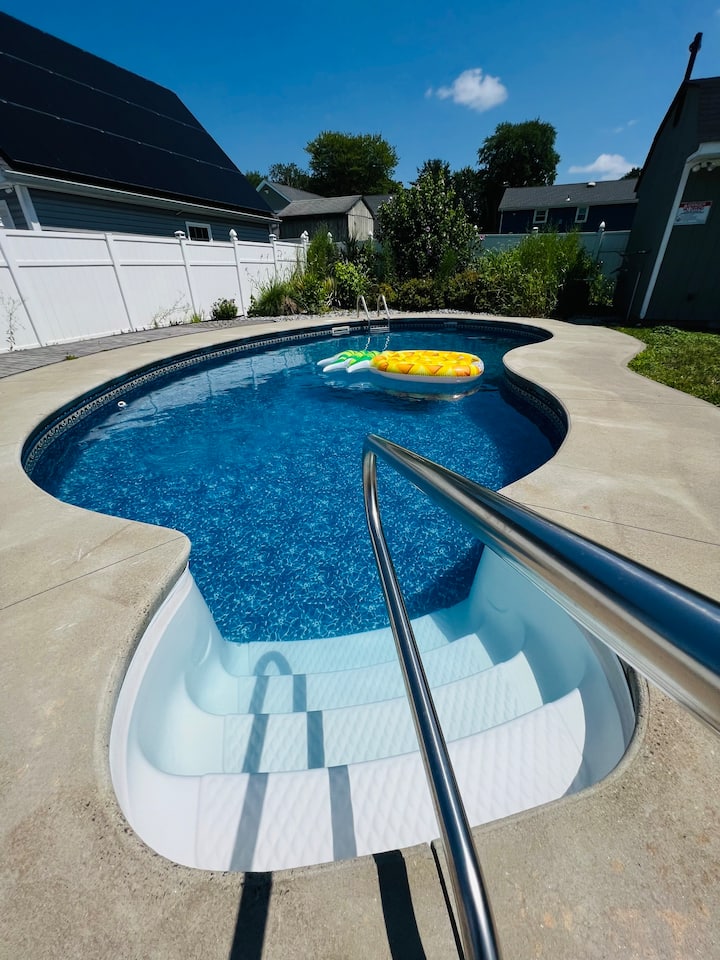
Certain amenities have outsized impact on search visibility and booking rates: hot tubs, pools, EV chargers, dedicated workspaces (for remote workers), and pet-friendly policies. Adding a hot tub, for example, can increase revenue by 15–25% in cooler climates.
Before investing in amenities, check what guests in your market are searching for. Airbnb's search filters give you a good indication of what matters most to your target guest.
The Compound Effect
Each of these strategies compounds. Better photos improve your click-through rate. Better pricing maximizes revenue per booking. Better reviews improve your search ranking. A direct booking channel reduces your dependence on any single platform. Together, they can transform a mediocre-performing rental into a top-10% listing in your market.